


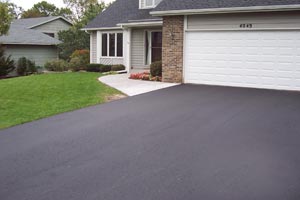
“How Long to Stay Off Driveway After Paving” Once you have your driveway naturally paved, knowing how long to remain off it is pivotal to secure the quality and life span of the work. Walking or driving on a recently paved driveway as well before long can cause harm, leading to costly repairs. In this article, we’ll explore the suggested hold-up times, the reasons behind these rules, and tips for caring for your unused garage.
Understanding the Importance of Waiting After Paving
After a driveway is paved, the surface needs time to cure appropriately. This curing period permits the materials to solidify and settle, making a tough and long-lasting driveway. Remaining off the garage during this time anticipates untimely breaking, spaces, or surface harm. Overlooking the prescribed hold-up time can compromise the judgment of the asphalt and shorten its life expectancy.
How Long Should You Stay Off a Newly Paved Driveway?
The common run the show of thumb is to maintain a strategic distance from strolling or driving on a recently paved driveway for at least 24 to 48 hours. In any case, the precise time depends on the sort of clearing fabric utilized and natural components such as temperature and humidity.
Asphalt Driveways
Black-top driveways regularly require 24 to 48 hours to remedy sufficient for light foot activity. For vehicle activity, it is best to hold up 3 to 5 days. During this period, the black-top cools and solidifies, and driving as well before long can cause trenches or harm the surface.
Concrete Driveways
Concrete paving takes longer to cure than black-top. It more often than not requires 5 to 7 days some time recently you’ll drive on it, even though light foot activity can frequently continue after 24 to 48 hours. Full curing for concrete can take up to 28 days for most extreme quality, but holding up at least a week some time recently vehicle utilize is suggested.

Factors Affecting Curing Time
A few components impact how quickly your driveway will be prepared for utilize. Understanding these will assist you arrange in like manner.
Weather Conditions
A warm, dry climate speeds up the curing preparation, whereas a cold or wet climate moderates it. On the off chance that clearing is done amid stormy or cold periods, expect to hold up longer sometime recently utilizing your driveway.
Thickness of the Paving Layer
Thicker layers take more time to cure appropriately. A thicker black-top or concrete layer will require a longer hold up some time recently it can bear weight without harm.
Type of Materials Used
A few paving materials have added substances or uncommon formulas that can speed up curing. Check along with your temporary worker to get it the specifics of your driveway’s materials.
Tips to Protect Your Driveway During the Curing Period
Caring for your driveway during the curing time can prevent costly damage and extend its lifespan.
Avoid Any Traffic
No cars, bicycles, or overwhelming foot activity should be permitted until the curing period is over. Indeed light weight can take off marks or weaken the surface.
Keep it Clean and Dry
Avoid spilling any chemicals or water on the garage while it cures. Excess moisture can interfere with the setting handle, particularly for concrete.
Use Warning Signs or Barriers
Put cones, tape, or signs to inform family members and guests to remain off the driveway until it is prepared.

When Can You Return to Normal Use?
After following the suggested curing times and tips, your garage will be solid and enough to handle regular utilization.
Asphalt
You’ll usually return to typical utilize, counting heavy vehicles, after around a week. However, it’s best to check along with your temporary worker on the off chance that uncertain.
Concrete
Concrete driveways can be utilized ordinarily after 7 days, but for heavy vehicles, holding up the total 28 days will guarantee the greatest quality.
Benefits of Waiting to Use Your Driveway After Paving
Taking the time to wait before using your newly paved driveway has several key benefits:
Strength: Proper curing guarantees the asphalt is solid sufficient to handle regular utilize without harm.
Taken a toll Reserve funds: Avoids the requirement for early repairs caused by breaks or surface spaces.
Stylish Offer: Maintains a strategic distance from unattractive marks or stains that happen in the event that activity is permitted as well before long.
Longer Life expectancy: Well-cured carports final longer and keep up their quality over time.
Security: A completely cured surface diminishes the chance of mishaps caused by unsteady or delicate asphalt.
By regarding these curing times, you ensure that your carport looks incredible and performs well for numerous a long time.
FAQ’s
Q1: Can I walk on my driveway after 12 hours?
No, it is best to wait at least 24 to 48 hours before walking to avoid damaging the soft surface.
Q2: What happens if I drive on a driveway too soon?
Driving too soon can cause cracks, ruts, and weaken the pavement’s surface, leading to premature repairs.
Q3: Does curing time change in winter?
Yes, colder weather slows down curing, so you may need to wait longer than usual.
Q4: Can rain affect the curing of a new driveway?
Yes, rain can disrupt the curing process, especially for concrete, causing delays in the driveway’s readiness.
Q5: How can I speed up the curing time?
Using additives or curing blankets can help, but it’s best to follow your contractor’s advice to avoid compromising quality.
Conclusion
Remaining off your driveway for the suggested curing time is basic for ensuring your investment. Whether your driveway is black-top or concrete, taking after the holding-up periods and caring for it appropriately will help guarantee a smooth, solid surface for a long time to come. Tolerance amid this basic stage maintains a strategic distance from expensive repairs and keeps up your driveway’s appearance and usefulness.

